It’s easy to take your plumbing for granted. You flush the toilet, and everything disappears. But behind the scenes, there’s a full system at work, and it only takes a small issue at one point to create a much bigger problem down the [sewer] line.
From the moment you hit the handle to the point waste reaches the sewer or septic system, there are several key stages where backups and clogs can begin to form. Understanding how that process works can help you spot issues early and avoid costly repairs.
Click Here to Download Our Flyer
It Starts at the Toilet
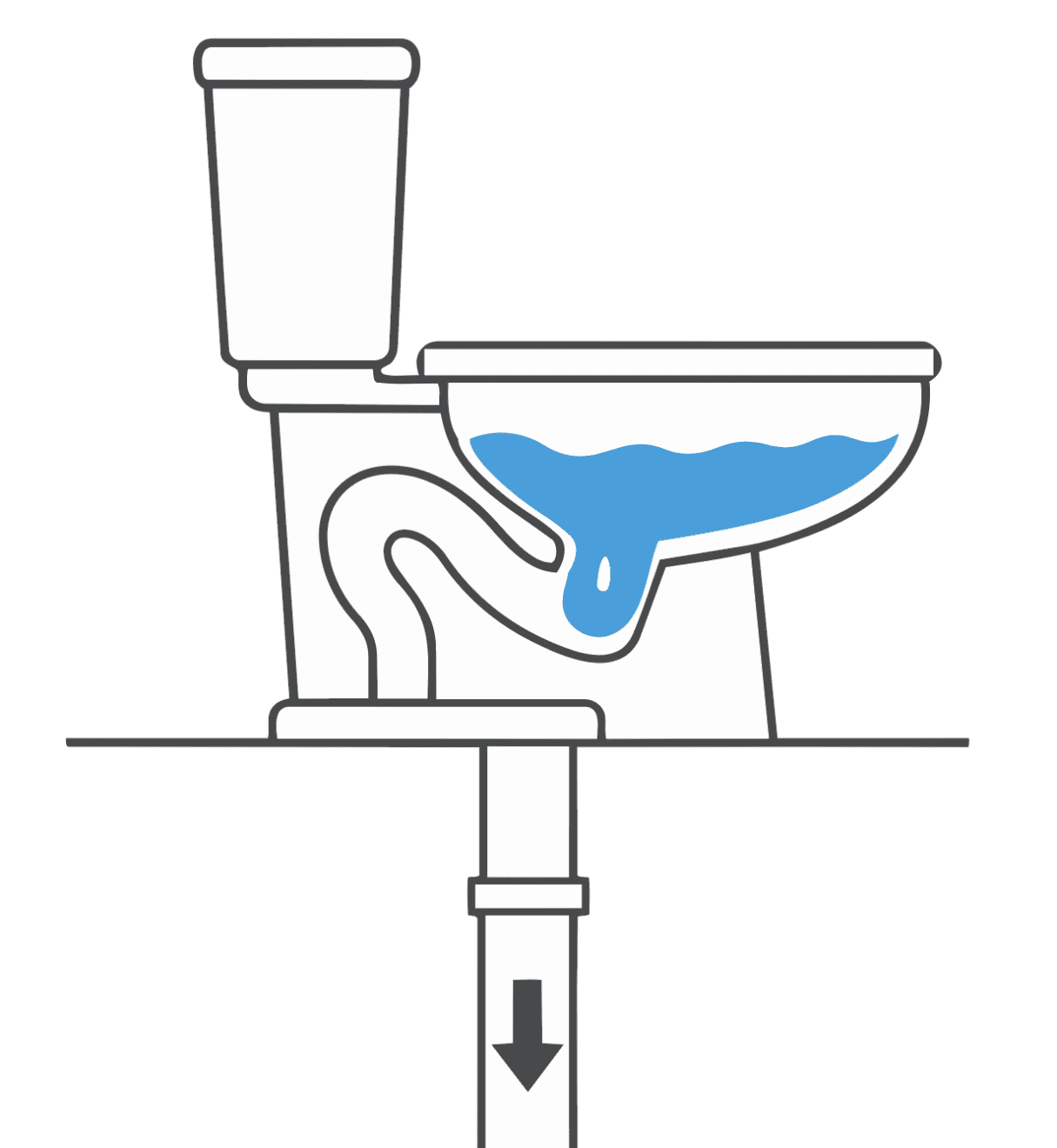
Every flush begins with a surge of water pushing waste into your home’s plumbing system. It’s a simple concept, but what goes down matters more than most people think.
Toilet paper is designed to break down quickly, but thicker products, such as paper towels, wipes, and hygiene items, are not. Even certain types of toilet paper do not break down well and can cause backup issues in your drain pipes. Even if they seem to flush fine at first, they can create resistance as they move through the pipes. Over time, that resistance builds, making it easier for future debris to get caught and start forming a clog.
The Role of the P-Trap
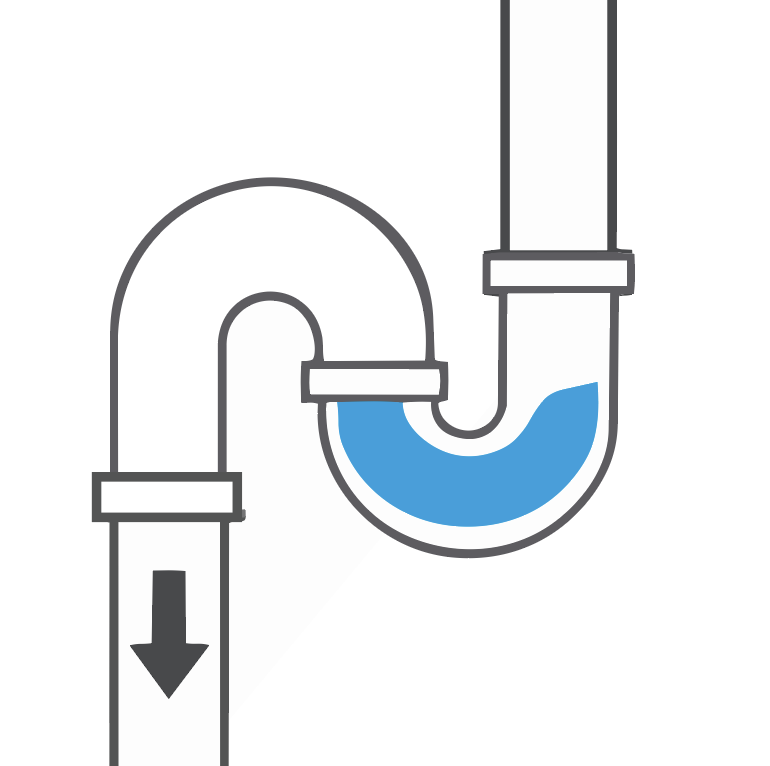
Right beneath your toilet is the P-trap, a curved section of pipe that holds a small amount of water at all times. Its job is to block sewer gases from coming back into your home, which makes it a critical part of the system.
That same curve, though, can also become a collection point. If too much material passes through at once or if buildup develops over time, the opening can narrow. When that happens, water drains more slowly, and you may start to notice inconsistent flushing or minor backups.
Where Pipes Change Direction
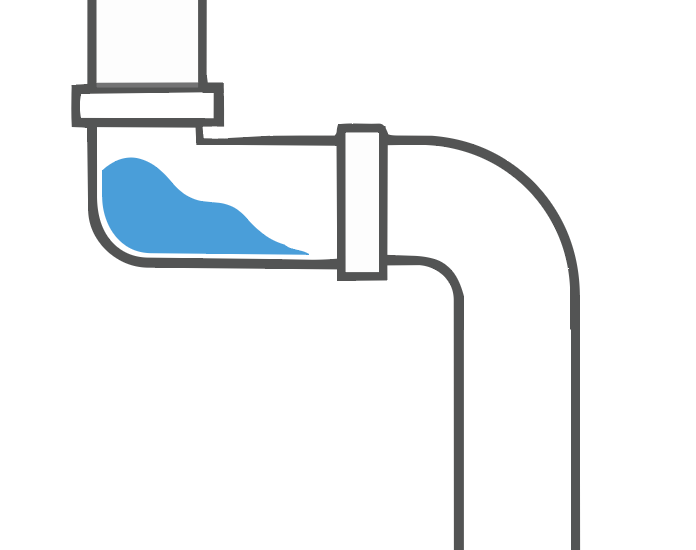
As waste leaves the immediate area of the toilet, it moves through a network of pipes inside your home. These pipes aren’t straight. They include turns and angles, especially 90-degree bends, which naturally slow the flow.
These turns are one of the most common places for clogs to form. Heavier materials like thick toilet paper or anything that doesn’t break down easily can catch at these points. Add in things like grease residue or scale buildup, and the pipe can gradually become restricted. At first, it may just seem like a slow drain. Eventually, it can lead to repeated clogs.
The Main Sewer Line Outside
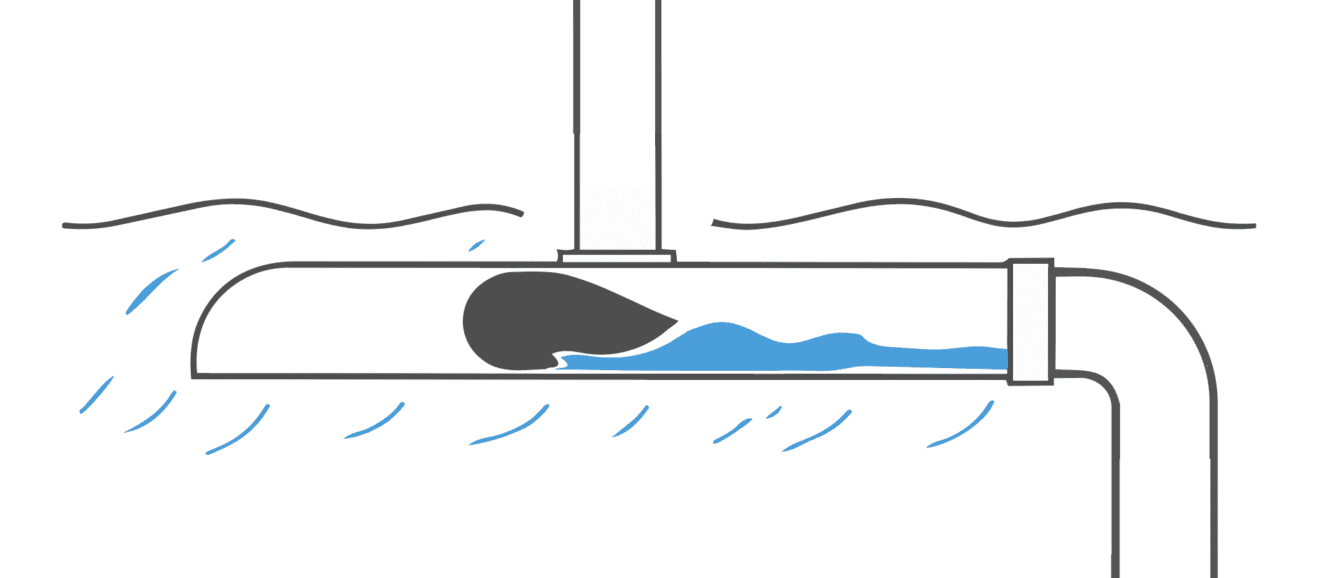
Once everything leaves your home, it enters the main sewer line that runs underground. This is where issues tend to become more serious. Tree roots are a major culprit here. They’re drawn to moisture and can work their way into even the smallest cracks in your pipes. Over time, they expand and create blockages that restrict flow. In colder regions, like here in Alaska, frozen ground can also affect these lines, either by narrowing the pipe or causing shifts that disrupt proper drainage.
When something goes wrong at this stage, it doesn’t just affect one fixture. You might notice multiple drains slowing down or backing up at the same time.
The Final Stop: Sewer or Septic System
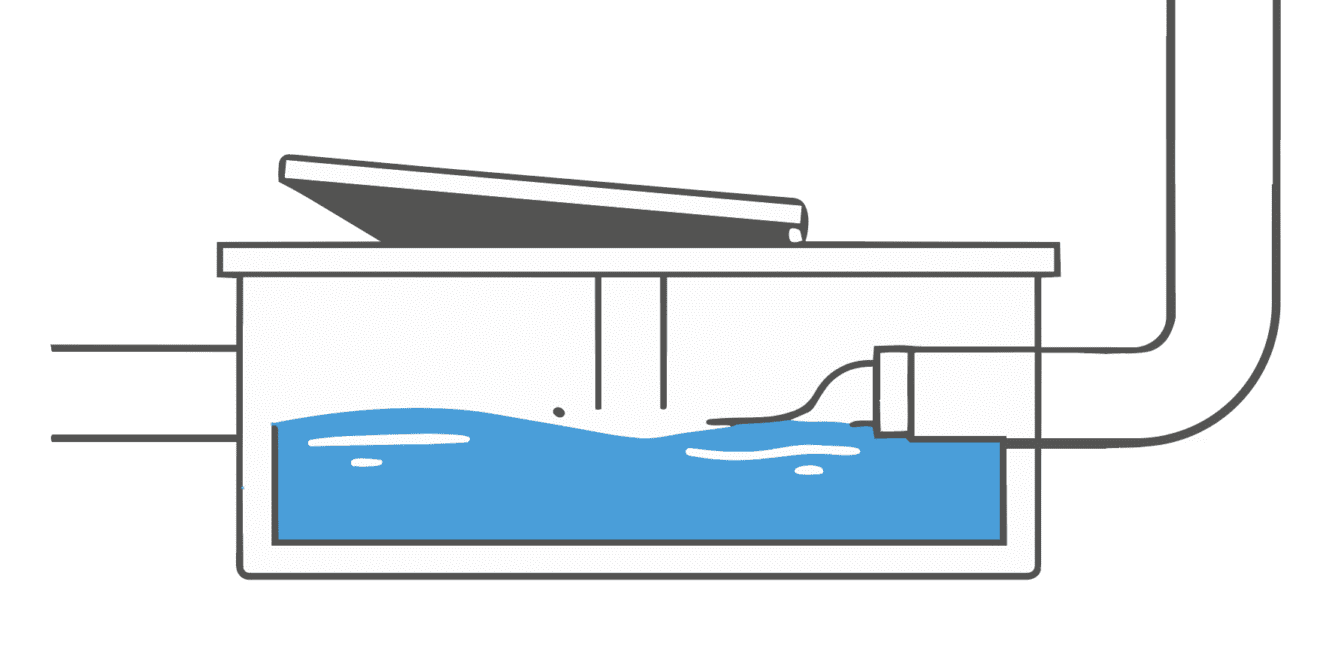
At the end of the line, wastewater flows into either a municipal sewer system or a septic tank. This is the final destination, but it can still be a source of problems. Septic systems, in particular, need regular maintenance. If a tank becomes too full or isn’t functioning properly, waste has nowhere to go, which can cause it to back up into the home. Municipal systems can also experience blockages or capacity issues, especially during heavy usage or storms.
When issues occur here, they tend to be the most noticeable and the most urgent, since the entire system depends on this final step working properly.
A Simple System with a Lot That Can Go Wrong
On the surface, flushing a toilet seems straightforward. In reality, it’s a chain of connected steps, and each one plays a role in keeping everything moving. If your system feels like it’s working harder than it used to, there’s usually a reason behind it. Slow drains, recurring clogs, or unusual backups are all signs that something along the line needs attention.
If you’re noticing any of these issues, it’s worth having a professional take a closer look. Catching a problem early can save you time, money, and a much bigger headache down the road. Contact us today if you think you are facing Drain and Sewer problems.